Wild Heritage BNG Units
Our family run farm in North Somerset has 183 Biodiversity Net Gain units spread across 32 hectares of actively managed pasture, hedgerows, woodland, water courses and ponds.
Registered BNG Gain Site
The Wild Heritage registered Biodiversity Net Gain (BNG) Gain Site is located at Home Ground Farm, Kingston Seymour, within the North Somerset LPA, the Somerset Levels and Moors National Character Area (NCA 142) and the North Somerset Bat Consultation Zone.
With 183.21 Biodiversity Net Gain units available across multiple habitat types, we have the ability to meet different statutory planning requirements and work with you to align to your development’s needs.
Our Gain Site remains a productive working British farm, demonstrating how long-term native habitat regeneration and productive farming can thrive together.
Our BNG Habitats
Available Units
Habitat Units
- Other Neutral Grassland – 90.11 units
- Ponds – 3.39 units
- Other Woodland (Broadleaved) – 0.74 units
- Rural Trees – 1.20 units
Hedgerow Units
- Species-rich Native Hedgerow – 77.50 units
Watercourse Units
- Other Rivers and Streams – 0.90 units
- Ditches – 9.37 units

Grassland & Ponds
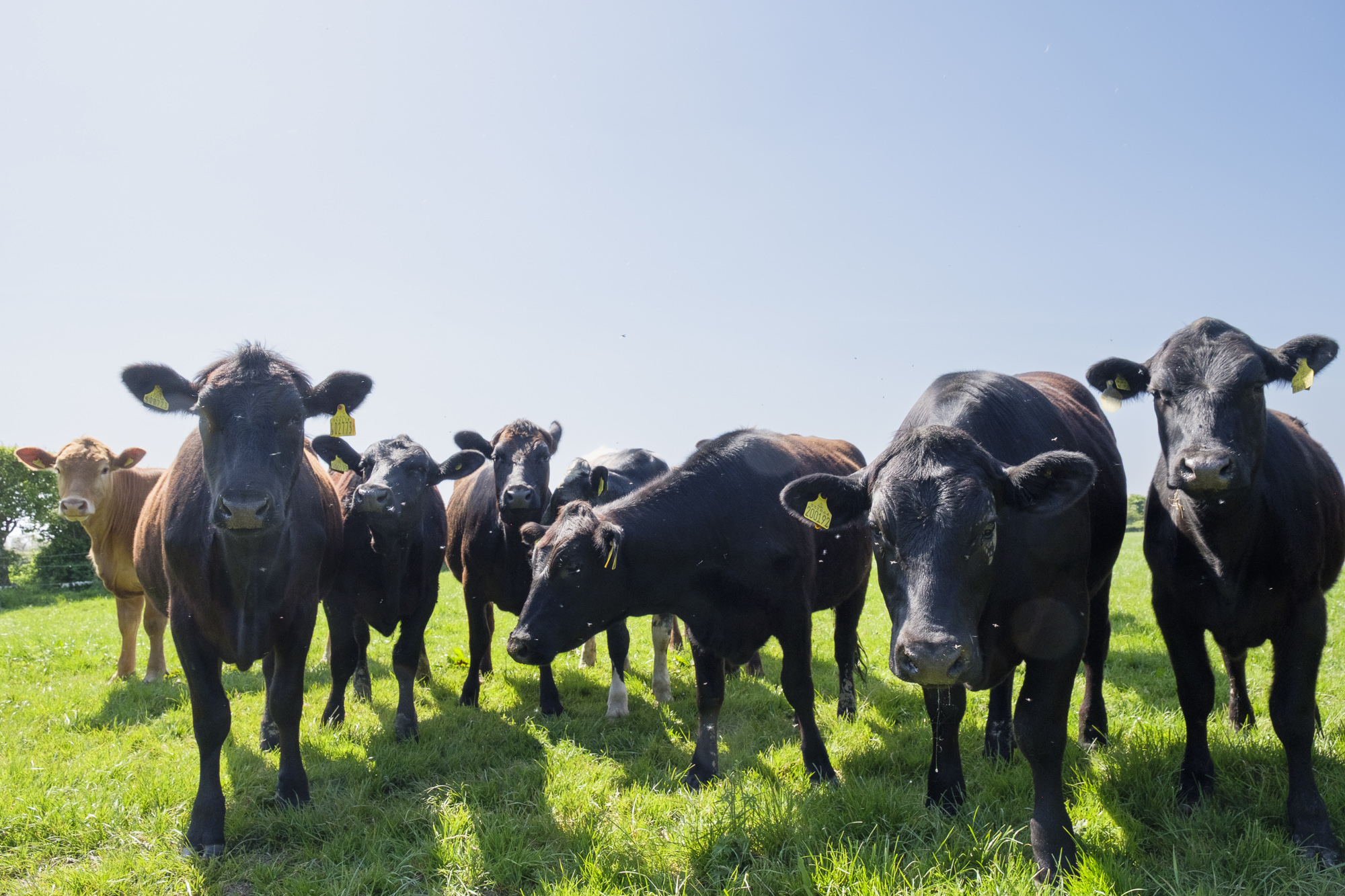
Our grazing pasture provides grassland BNG units across a number of fields, with some areas of botanical species above 6 species per sq metre.
Two of our fields have pond BNG units and are specifically created and enhanced to provide habitat for newts and other species.
Hedgerows
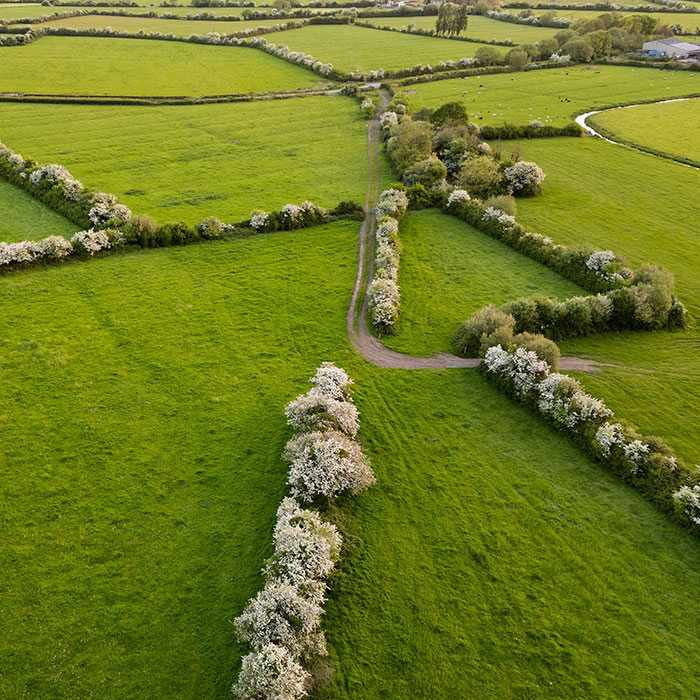
Over 2.8 km of native “Habitats of Principal Importance” hedgerow grows across the farm, with willow, hawthorn, dogrose, elder, blackthorn, and bramble present.
Boundary hedgerows and trees, as well as denser pockets of scrub, support a range of nesting bird species.
Watercourses
Situated on the North Somerset levels, the farm is criss-crossed by a number of waterways, known locally as “rhynes” and traditional ditches. These support swans, ducks, geese, moorhen, waterborne insects and also water vole.
With 5m fenced standoffs, the bordering field areas provide safe corridor for species to move and forrage.

Woodland and rural trees
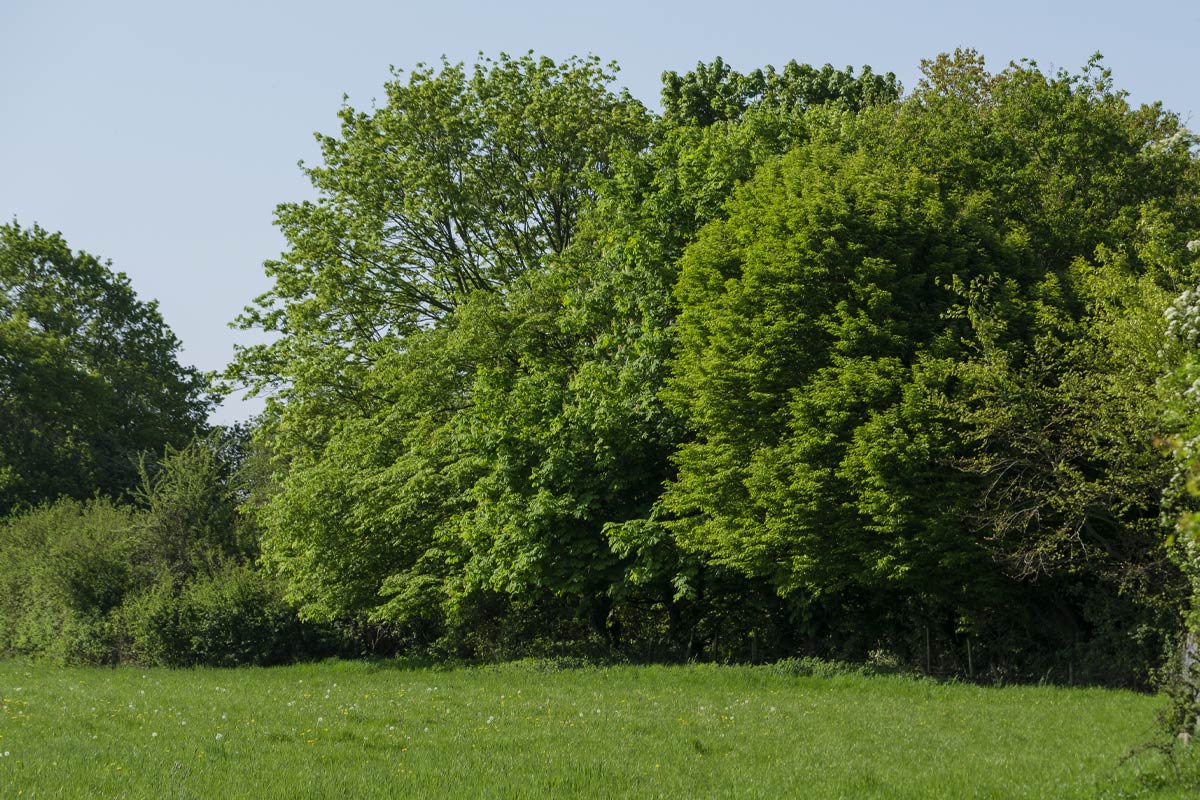
Two areas of woodland are present on the farm, with additional trees spread across the various fields.
Silver birch, English elm and oak grow in several locations, which will continue to be maintained, as well as new tree planting forming part of our habitat creation and enhancement plan.
- Wetland (ponds): Two new areas of pond to be created and planted with native marginal and aquatic plants.
- Woodland: Two small copses to be fenced, planted with understorey native shrubs and managed to enhance condition.
- New Trees: Up to 96 new small individual trees (i.e. not associated with linear features) to be planted across the site.
- Hedgerows: Selective thinning/laying to maximise hedgerow diversity with planting of a diverse range of native hedgerow whips.
- Hedgerows: Plant species capable of maturing to standard trees to achieve at least 5 native woody species per 30m length and at least one mature standard tree per 50m length.
- Watercourses: Enhance selected watercourses through a combination of 5m fenced stand offs, scrub/shrub clearance, keeching and reseeding with native aquatic and marginal species.
Habitat creation and enhancement
As part of our BNG Habitat Management and Monitoring Plan we’ll be making changes to the way we farm our land. These changes will bring a positive impact to the whole environment on and around our farm. We’ll see an increase in native hedgerows, wild flowers and plants, which in turn will provide habitats for an increase in animal and bird species.
- Grassland: Create moderate distinctiveness (g3c) habitat with at least eight species per square metre.
- Grassland: Fields to remain uncut or grazed with low stocking density during April to mid-July to allow species to flower and seed.
- Grassland: Up to two additional cuts per year and removal of arisings when cut.
- North Somerset
- Somerset
- Bristol
- Bath and North East Somerset
- South Gloucestershire
Main National Character Area Regions covered
The Biodiversity Net Gain process looks to ensure that the native habitat within a certain region is improved as a result of development and construction work, with a main aim for any activities that cause disruption or destruction of natural habitat to be offset within the same region, by using biodiversity net gain units that are actively managed for 30+ years.
The BNG units on our farm in North Somerset are primarily focused on supporting your developments and construction projects across the Somerset Levels and Moors National Character Area (142) and North Somerset Bat Consultation zone, which covers: